
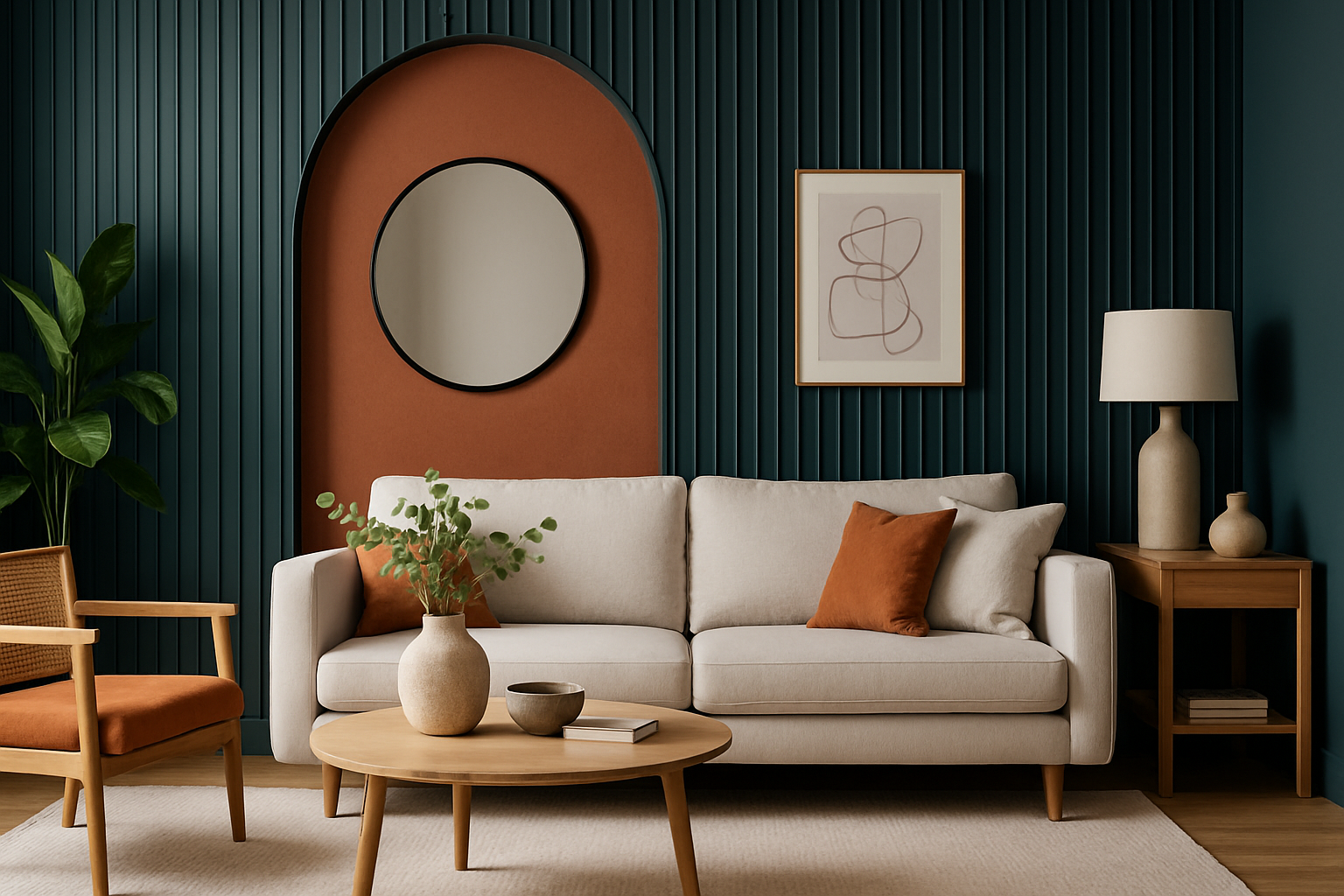
A statement wall, also called an accent wall, is one of the most effective ways to add personality, style, and depth to a room without a complete redesign. When done right, it becomes a natural focal point that enhances your space, but without disrupting the balance of the rest of the room. The key is intention—making the wall stand out just enough while still harmonizing with your overall interior.
In this guide, you’ll learn how to design a statement wall that captures attention without dominating the space.
Choosing the Right Wall
Not all walls are ideal for becoming a statement wall. The best one is typically a wall that already draws the eye—such as the one behind your bed, sofa, or a fireplace—or one that is naturally centered in the room. Walls that are too broken up by windows or doors tend to be less effective, as the visual flow is interrupted. A good rule of thumb: choose a wall that feels “anchored” and offers enough uninterrupted space to be visually impactful.
Matching Your Style
Your statement wall should always feel like a part of your home, not a random experiment. If you have a modern, minimalist home, you may choose geometric paint shapes or slatted wood. For a more traditional or rustic style, think brick veneers or reclaimed wood panels. In a bohemian space, you might add a mural or layered tapestries. Always let your existing decor guide your choices so the accent wall complements rather than competes with your overall design.
Using Paint as a Statement
Paint is the most accessible and affordable way to make a bold impact. It’s quick to apply and easy to change later. Choosing a bold color for one wall creates instant contrast, making that surface the visual centerpiece of the room. Dark colors like navy, charcoal, and forest green are moody and elegant. Warm tones like rust, terracotta, and mustard bring warmth and earthiness. For small spaces, try a pastel accent that adds personality without closing in the room. To keep the balance, use softer or neutral tones for the other walls.
Wallpaper for Texture and Pattern
If you want to add more detail and visual texture, wallpaper is a perfect solution. With the rise of peel-and-stick options, you don’t need to commit permanently, making wallpaper an excellent option even for renters. Patterns like botanical prints, geometric designs, or subtle textures like linen or concrete can create stunning visual impact. For a luxurious look, consider metallic or Art Deco-style wallpapers. Just make sure the print isn’t too busy for the size of your room, especially if other elements already compete for attention.
Wood Paneling and Slats
Adding architectural interest through wood creates dimension, warmth, and texture. Vertical wood slats are especially popular in Scandinavian-inspired interiors, while shiplap or board-and-batten can add charm to rustic or farmhouse-style homes. Painted paneling in the same color as the wall gives a tone-on-tone texture that’s subtle and sophisticated. On the other hand, a contrasting wood stain or color can turn the wall into a striking focal point. You can also explore chevron or herringbone patterns to add a dynamic feel to the room.
Exposed Brick and Stone
Raw materials like brick and stone offer timeless texture and depth. Exposed brick walls work wonderfully in industrial-style interiors and add a cozy, lived-in feel to any space. Faux stone panels and brick veneers are a great alternative if you’re not working with real masonry. For a softer effect, whitewashing brick helps retain the texture while lightening the visual weight. This type of accent wall works well in living rooms, kitchens, or anywhere you want a blend of rustic and modern.
Gallery Walls with Art and Photos
For a more personalized and creative take, consider making a gallery wall using artwork, prints, photographs, or mixed-media pieces. A gallery wall brings life and personality to a room, especially when you mix frame styles, sizes, and media. You can go with a strict grid layout for a clean look or an organic, free-flowing arrangement for a more artistic vibe. Keep in mind the wall color behind your gallery—using frames that contrast with the wall will help each piece pop.
Built-in Shelving or Niche Displays
If your space allows, custom built-in shelves or recessed wall niches make excellent feature walls. They’re functional and aesthetic at once. You can use the shelving to display books, ceramics, travel souvenirs, framed art, and small sculptures. Keep the styling minimal to avoid clutter. When styling shelves, follow the 70/30 rule: 70% useful items and 30% decorative pieces. Layer objects at different heights, and vary textures to keep the display interesting without looking chaotic.
Painted Shapes and Color Blocking
In modern or creative spaces, painted shapes can turn a plain wall into a dynamic piece of art. Popular options include half-painted walls, arches behind beds or desks, or bold diagonal lines that slice across a wall. Use painter’s tape to create clean edges, and choose colors that either contrast or complement the surrounding decor. This is a great low-cost way to experiment with color and geometry without relying on furniture or art.
Incorporating Mirrors
Mirrors can function as a beautiful accent while also helping to expand and brighten a space. A large round mirror centered on a statement wall can make a small room feel larger. Grouped mirrors of varying shapes and finishes can create a visual mosaic. For narrow or darker rooms, consider placing a tall mirror on your accent wall to reflect light and give a sense of height.
Lighting That Highlights the Wall
Don’t forget that lighting can enhance the effect of your statement wall. LED strip lights, wall sconces, picture lights, or directional spotlights can draw attention to specific features. Backlighting wood slats or floating shelves creates a soft glow that adds depth. Warm lighting helps emphasize textures and gives a cozy atmosphere, especially if the wall includes natural materials like wood or brick.
Keeping the Room Balanced
The most common mistake with statement walls is overdoing the rest of the room. A bold accent wall doesn’t need competition from heavy curtains, loud rugs, or large patterned furniture. Let the wall stand on its own. Keep the surrounding furniture simple, and repeat subtle elements from the accent wall—such as color or material—through small decor touches like throw pillows or vases. This reinforces cohesion and makes the entire room feel thoughtfully designed.
Using Statement Walls to Zone Open Spaces
If you live in a loft or open-plan space, a statement wall is a great way to visually separate different zones. For example, you can use a deep navy wall in a living area to define that zone from the dining or kitchen area. Color-blocked or wallpapered accent walls work well behind home offices or reading nooks in shared spaces.
Experimenting with Seasonal Accents
The beauty of a statement wall is that it can evolve with time. In neutral rooms, your statement wall can shift seasonally. In the fall, add warm-toned accessories or wall art. In spring, switch to lighter prints and bright greenery. If your wall is painted in a neutral or muted tone, it becomes the perfect canvas for rotating decor throughout the year.
Final Thoughts
A well-designed statement wall can transform an ordinary room into a space full of character, depth, and beauty. Whether you use color, texture, pattern, art, or architectural detail, the key is creating something intentional that reflects your personal style. Don’t be afraid to experiment—but always consider balance. A statement wall should complement the room, not compete with it.
With a bit of planning and creativity, your accent wall can become the most memorable and meaningful part of your home.