
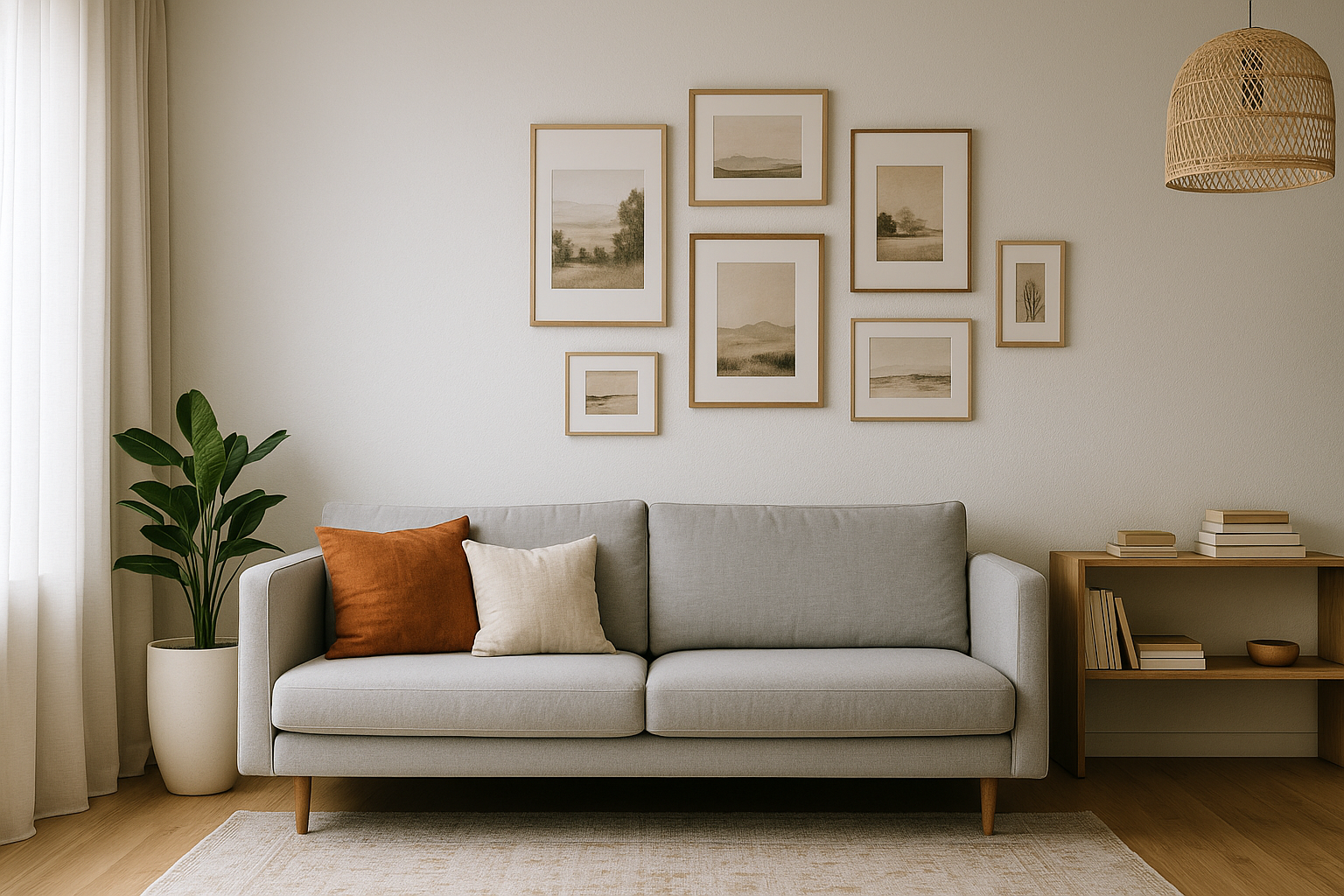
Small spaces can be charming, cozy, and functional—but only when designed with intention. Unfortunately, it’s easy to make decorating choices that unintentionally shrink a room’s perceived size. Whether you live in a small apartment, a compact home, or simply want to make your room feel more open, avoiding a few common mistakes can make all the difference.
In this article, we’ll explore seven decorating mistakes that make spaces feel smaller, and what you can do instead to make your space feel brighter, bigger, and better balanced.
1. Using Dark Colors on All Walls
Dark, rich colors can add depth and drama—but if used excessively, they absorb light and visually shrink the room.
Dark tones on every wall can make a space feel enclosed, especially in rooms with low ceilings or limited natural light. While a moody accent wall can be effective, painting an entire small room in charcoal, navy, or deep green often has the opposite of the intended effect.
What to do instead:
- Choose light, airy paint colors like soft whites, light greys, or pale beiges
- Reserve deep tones for accent walls or décor items like cushions and throws
- Use mirrors to reflect light and visually expand the room when using darker hues
Lighter colors bounce natural and artificial light around, creating a sense of openness.
2. Overfilling the Room with Furniture
In a small space, every piece of furniture matters. Overloading the room with too many or oversized pieces can overwhelm the layout and block natural movement.
A bulky sofa, oversized coffee table, or too many chairs will close off walkways and make the room feel crowded.
What to do instead:
- Choose multi-functional furniture (storage ottomans, nesting tables, extendable dining tables)
- Prioritize pieces that match the scale of the room
- Allow for breathing space between furniture and walls
- Avoid pushing every piece against a wall—floating items can create better flow
Less furniture often leads to more perceived space and improved functionality.
3. Ignoring Vertical Space
When wall space goes unused, small rooms can feel cluttered at eye level and underutilized above. The result? A cramped environment where clutter dominates.
What to do instead:
- Install vertical storage: tall bookcases, wall-mounted shelves, or pegboards
- Use tall plants or curtains that hang from ceiling to floor to draw the eye upward
- Display art in vertical arrangements rather than in a single horizontal line
Using the full height of your walls adds function and the illusion of volume.
4. Choosing Rugs That Are Too Small
A small rug can break up visual flow, making the space feel disjointed. It can also make furniture appear cramped or out of place.
In living rooms and bedrooms especially, rugs that are too small create an awkward floating effect and reduce visual harmony.
What to do instead:
- Use a larger rug that can anchor the room—ideally large enough for all major furniture legs to rest on it
- In bedrooms, extend the rug beyond the sides and foot of the bed
- In living areas, a rug should ideally sit under the front legs of the sofa and chairs
Proper rug size brings unity to the room and enhances the sense of space.
5. Blocking Natural Light
Heavy drapes, bulky furniture near windows, or placing dark decor directly in front of windows blocks valuable natural light and instantly makes a space feel smaller.
Light is essential to opening up any room, especially small ones.
What to do instead:
- Use sheer curtains or light-filtering blinds
- Keep window sills clear of large items
- Use mirrors opposite windows to reflect and amplify light
- Opt for low-profile furniture near windows
Maximizing light flow not only increases visual space but also improves the room’s mood and energy.
6. Cluttered Surfaces and Over-Decorating
When every surface is filled with objects—books, candles, knickknacks, electronics—it makes even large rooms feel cramped. Visual clutter is one of the fastest ways to reduce the feeling of openness.
What to do instead:
- Follow the “less is more” rule: display fewer, more impactful pieces
- Use storage boxes and baskets to hide small items
- Rotate decor seasonally to keep displays fresh
- Leave some surfaces intentionally empty to give the eyes space to rest
Curated, intentional decor keeps small spaces feeling calm and well-designed.
7. Poor Lighting Choices
Relying solely on one overhead light creates shadows and makes corners feel darker, which shortens the visual dimensions of the room. Uneven lighting results in a space that feels flat and boxed in.
What to do instead:
- Layer your lighting: include floor lamps, table lamps, sconces, and string lights
- Choose warm, soft lighting for a welcoming effect
- Use directional lighting to highlight key areas and add depth
- Incorporate smart bulbs for flexible brightness and mood changes
The right lighting opens up corners and makes your room feel more inviting and spacious.
Bonus Tips to Make a Room Feel Larger
Along with avoiding the seven major mistakes above, here are a few more strategies that can instantly make your space feel bigger:
- Use mirrors strategically: Place them opposite windows or in tight hallways
- Keep floors visible: Choose leggy furniture rather than skirted pieces
- Create sightlines: Keep furniture low-profile to avoid breaking the visual flow
- Go monochromatic: Using different tones of the same color keeps things cohesive and elongated
Small tweaks to layout and design can dramatically change the perception of space.
Final Thoughts
Creating a home that feels spacious, balanced, and beautiful doesn’t always require more square footage. Sometimes, it’s simply about avoiding the decorating mistakes that visually shrink your space.
By being intentional about color, furniture, lighting, and clutter, you can transform even the smallest room into one that feels open, functional, and full of personality. Less can truly be more when it comes to smart interior design.