
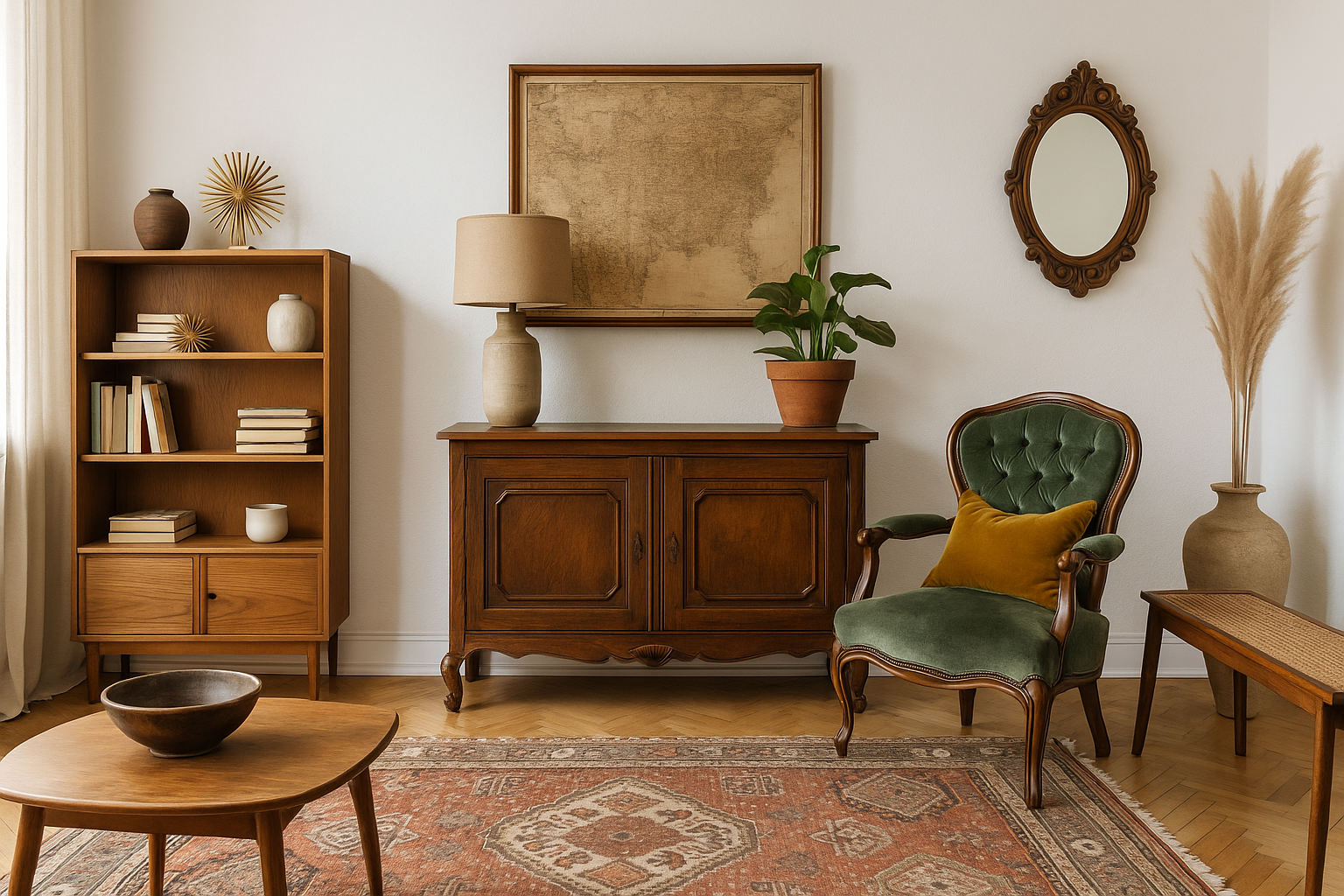
Decorating your home doesn’t have to mean spending a fortune on brand-new furniture or mass-produced decor. In fact, some of the most unique, character-rich, and eco-friendly interiors are built around secondhand treasures. Whether you’re drawn to vintage charm, love a good bargain, or want to reduce waste, decorating with secondhand finds can help you create a stylish, personalized home.
In this article, we’ll explore how to shop, style, and transform pre-loved items into beautiful, cohesive decor.
Embrace the Hunt
One of the best parts of secondhand decorating is the thrill of the hunt. Unlike traditional retail shopping, secondhand finds require time, patience, and a sense of adventure.
Where to look:
- Thrift stores and charity shops
- Flea markets and antique fairs
- Online marketplaces (Facebook Marketplace, Craigslist, OfferUp)
- Estate sales and garage sales
- Consignment shops and vintage boutiques
Keep an open mind—you may not find what you’re looking for right away, but you might discover something even better.
Know What to Look For
To make your hunt successful, it helps to know what secondhand items are worth investing in—and what to skip.
Great secondhand decor items:
- Solid wood furniture (e.g., tables, dressers, nightstands)
- Picture frames, mirrors, and wall art
- Ceramic vases, bowls, and dishes
- Vintage textiles like quilts, rugs, or curtains
- Lighting fixtures with character (can be rewired if needed)
- Books and decorative objects with patina
Be cautious with:
- Upholstered items that may harbor odors or pests
- Damaged or unstable furniture unless you’re ready to DIY
- Electronics or items with missing parts unless you can test them
Look for items with good bones, quality materials, and design potential.
Mix Old and New
Secondhand decorating doesn’t mean your home has to look like a time capsule. Mixing old and new pieces adds balance and makes your space feel curated rather than cluttered.
Tips for blending:
- Pair a vintage coffee table with a modern sofa
- Style an antique mirror in a sleek bathroom
- Use new textiles (pillows, throws, linens) on secondhand seating
- Combine vintage art with contemporary frames
This mix creates contrast and makes your secondhand finds shine.
Customize and Upcycle
One of the greatest benefits of decorating with secondhand items is the opportunity to make them your own. With a little creativity, you can transform even the most overlooked pieces.
Ideas:
- Paint or refinish wood furniture to suit your color scheme
- Replace knobs and pulls on dressers or cabinets
- Reupholster chairs or stools in modern fabrics
- Turn old ladders into shelves or towel racks
- Use a vintage trunk as a coffee table or storage bench
Upcycling gives your home one-of-a-kind character—and often saves money.
Create a Cohesive Color Palette
Secondhand pieces often come in a variety of colors, styles, and finishes. To keep your decor feeling cohesive, establish a color palette and stick to it when styling your finds.
Tips:
- Paint mismatched furniture in a unified color
- Use rugs, art, or textiles to tie different elements together
- Choose accent colors that repeat throughout the room
- Keep base tones neutral to allow unique pieces to stand out
A consistent palette helps your space feel intentional rather than chaotic.
Style with Intention
Secondhand items can feel eclectic, but with thoughtful placement, they become conversation starters. Avoid overcrowding a room with too many vintage pieces give each item space to shine.
Styling ideas:
- Group smaller objects in threes for visual balance
- Use a mix of heights and textures on shelves or mantels
- Display books and records both upright and stacked
- Let a statement piece (like a vintage armchair or mirror) anchor the room
Editing is key don’t feel the need to display everything at once.
Highlight the History
One of the most rewarding aspects of secondhand decor is the story behind each piece. Don’t be afraid to showcase the character and imperfections that give an item soul.
Examples:
- A weathered cabinet with chipped paint adds rustic charm
- A vintage poster or map can reflect your travel or personal history
- A mid-century chair tells the story of a design era
- Heirlooms or family antiques connect your space to your roots
Leaning into these histories adds depth and personality to your home.
Shop with Measurements and a Plan
It’s easy to fall in love with a beautiful piece, only to realize it doesn’t fit your space. When secondhand shopping, always be prepared.
Bring:
- A measuring tape
- A list of room dimensions
- Photos of your existing decor for reference
- A notebook or phone list of items you’re seeking
Having a plan helps you make smarter choices and avoid impulse buys.
Think Sustainably
Choosing secondhand isn’t just a personal win it’s a win for the planet. By repurposing what already exists, you reduce landfill waste, save energy, and support a circular economy.
To decorate more sustainably:
- Choose quality pieces that will last
- Donate or sell what you no longer use
- Shop local and transport items efficiently
- Refuse fast furniture that’s designed to be disposable
A beautiful home is one that reflects not only your style but your values too.
Final Thoughts
Decorating with secondhand finds is an opportunity to create a home that’s unique, meaningful, and full of character. With a little patience, creativity, and vision, you can turn castoffs into centerpieces and old furniture into functional art.
Whether you’re a seasoned thrifter or just beginning to explore vintage design, remember: the best interiors aren’t built overnight they’re collected, curated, and constantly evolving.
Start small, follow your instincts, and enjoy the process of creating a home that’s truly your own.