
Merging two lives is exciting but when it comes to decorating your shared home, differing styles can lead to clashing tastes and frustration. One partner loves minimalism, the other adores color. One wants vintage charm, the other craves sleek modernity. Sound familiar?
The good news is: with a little compromise, communication, and creativity, it’s absolutely possible to design a home that feels cohesive, comfortable, and reflective of both personalities.
In this article, you’ll learn smart strategies to blend contrasting styles, avoid common pitfalls, and create a space you both love.
Start with Honest Conversations
Before picking paint or furniture, have an open discussion about your design preferences and priorities.
Questions to ask each other:
- What are your must-haves in a space?
- Which styles do you naturally gravitate toward?
- What makes a home feel like “you”?
- What do you absolutely not want in the shared space?
Identifying shared values like comfort, function, or a calming atmosphere can guide your decisions and keep you both grounded in your goals.
Find a Common Ground Aesthetic
You don’t need to force one person’s style to dominate. Instead, look for a style “middle ground.”
Example pairings:
- Modern + Traditional = Transitional
- Minimalist + Bohemian = Organic Modern
- Industrial + Farmhouse = Rustic Contemporary
- Glam + Scandinavian = Soft Modern
Use design inspiration boards (like Pinterest or mood boards) to visually explore shared preferences. You’ll likely discover overlapping themes or colors that can guide your design direction.
Build the Foundation with Neutrals
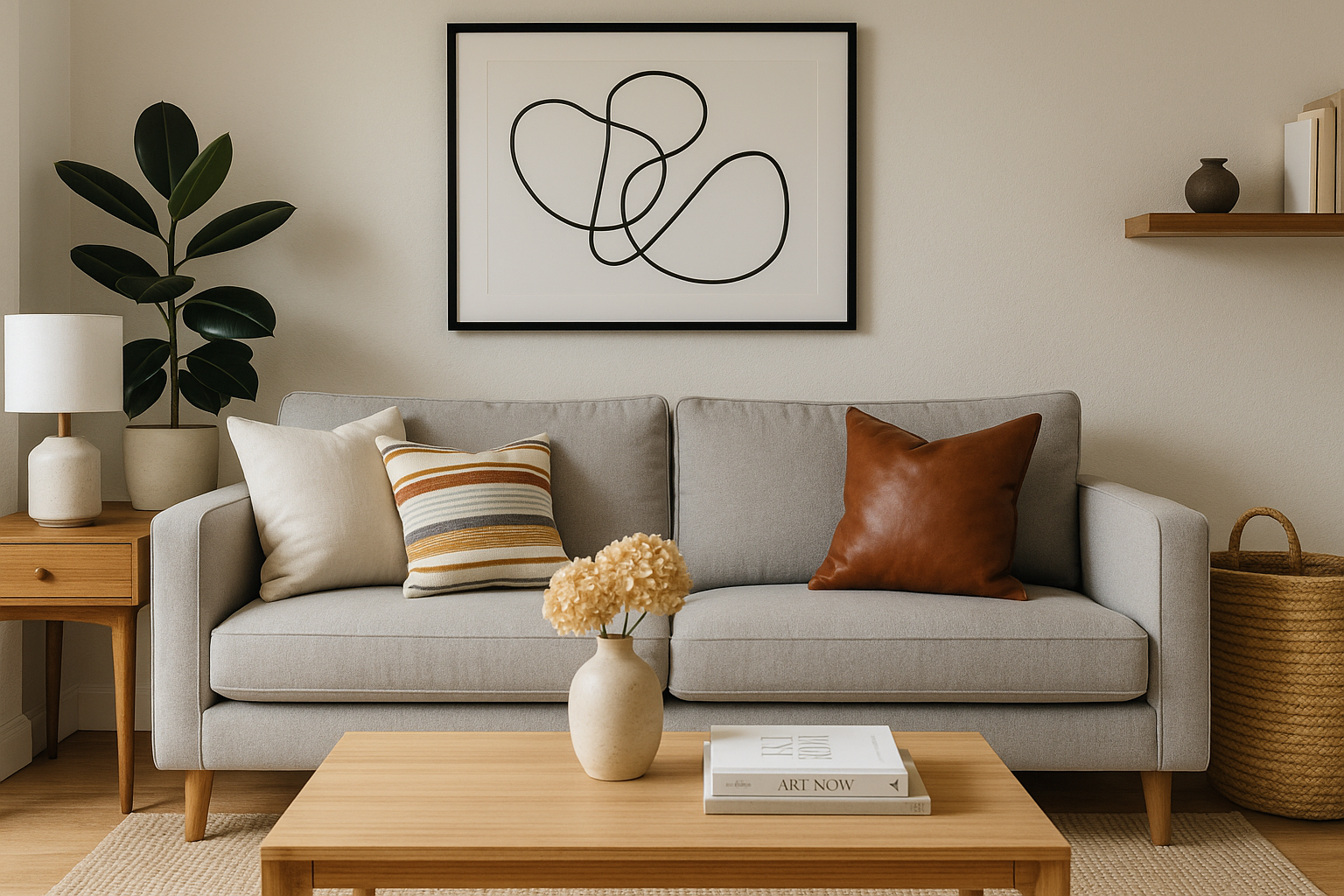
A neutral foundation helps balance strong styles and provides a blank canvas for layering. Think of it as the background that allows both of your tastes to shine.
Tips:
- Choose neutral paint for walls (white, beige, soft gray, taupe)
- Use classic pieces for sofas, rugs, or large furniture
- Keep major elements simple and let your unique accents do the talking
- Add contrast through accessories, textiles, or art
Neutrals don’t mean boring they mean flexibility.
Mix Materials to Represent Both Styles
Use furniture and decor that combine your individual tastes through different materials and textures.
Examples:
- A modern metal coffee table paired with a reclaimed wood side table
- A velvet glam headboard against minimalist linen bedding
- Industrial lighting over a vintage dining table
- Sleek leather chairs with cozy woven pillows or throws
This contrast brings visual depth and allows both partners to see themselves in the space.
Balance Color and Pattern
If one partner loves bright colors and the other prefers muted tones, compromise by creating a balanced palette.
Ideas:
- Use pops of bold color through pillows, art, or small accents
- Choose one statement wall or room to express a stronger style
- Stick to 2–3 complementary colors to keep the space cohesive
- Use patterns in small doses (rugs, curtains, throws) rather than overwhelming surfaces
Balance is key: let bold and soft elements play off each other harmoniously.
Divide and Conquer Design Roles
Sometimes, the best way to keep the peace is by dividing decisions.
Strategies:
- Each partner takes creative lead on different rooms or zones
- One partner chooses furniture, the other focuses on decor or lighting
- Alternate decision-making on purchases first partner picks the sofa, second picks the rug
- Work together on shared spaces, but allow individual freedom in personal zones (e.g., offices or hobby rooms)
Mutual respect and compromise prevent design decisions from turning into battles.
Personalize With Shared Memories
Make the space truly yours by incorporating shared history and experiences.
Ideas:
- Frame photos from your travels together
- Display artwork you’ve picked out as a couple
- Showcase souvenirs or mementos in a subtle, curated way
- Create a gallery wall that includes art from both partners’ past lives
Personal touches ground the home in your relationship, not just your style.
Know When to Say “Yes” and When to Let Go
You won’t love every choice your partner makes and they won’t love all of yours either. The trick is knowing when to hold firm and when to be flexible.
Tips:
- Pick a few non-negotiables each and be willing to compromise on the rest
- Remember: not everything has to match perfectly
- Focus on the overall vibe instead of individual pieces
- Design is an ongoing process it’s okay to evolve and adjust over time
The more you practice compromise, the more confident and collaborative you’ll become as co-designers.
Final Thoughts
Decorating as a couple doesn’t have to be a clash of tastes it can be a creative collaboration that results in a space you both love. By communicating openly, blending styles with intention, and designing around shared values, your home becomes a beautiful reflection of both of you.
Think of your home as a conversation where each partner contributes something meaningful and the result is greater than the sum of its parts.