
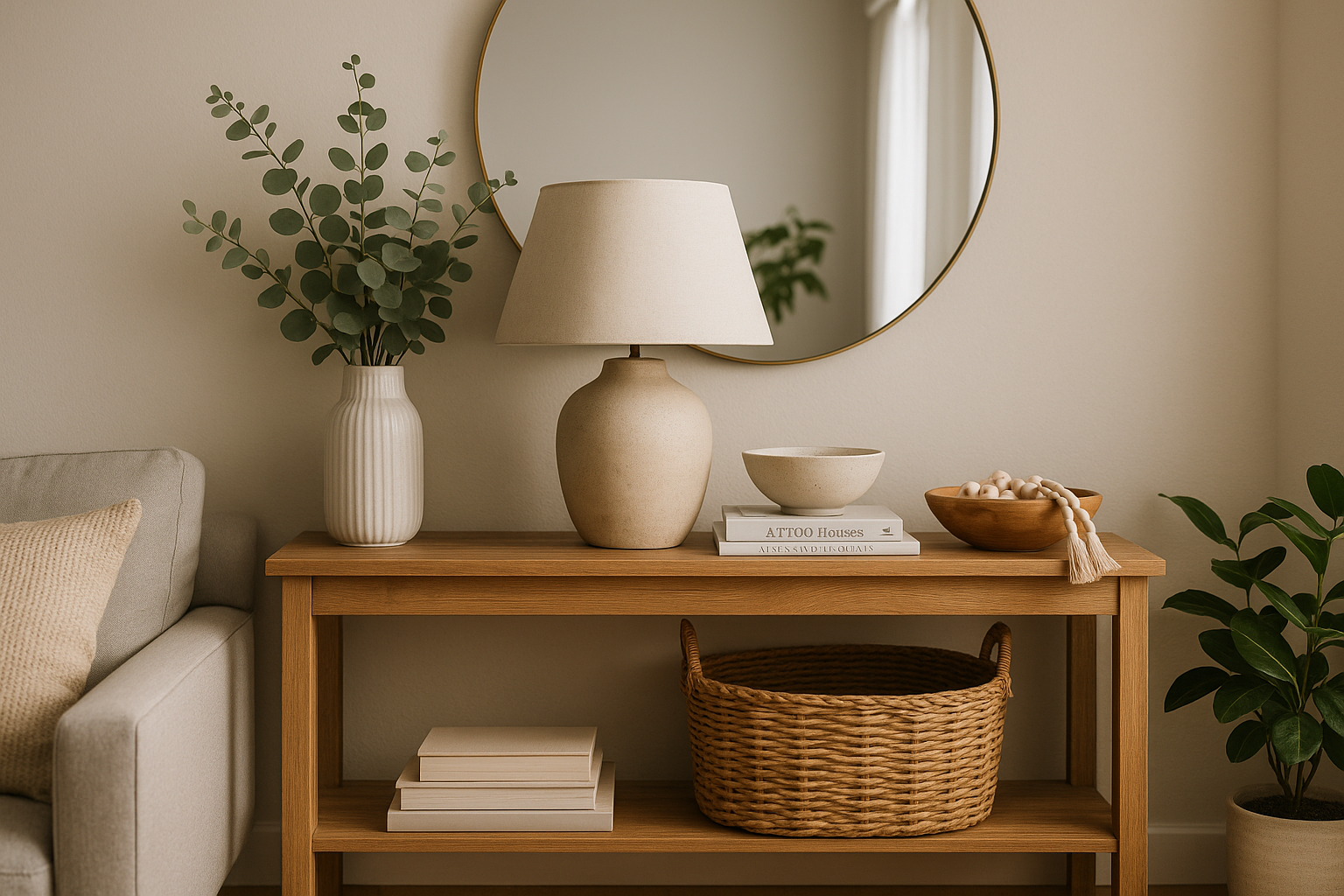
Home accessories are the finishing touches that turn a house into a home. They reflect your personality, add visual interest, and complete the design story of each room. But with so many options from pillows and candles to vases and trays it’s easy to get overwhelmed or end up with a cluttered, mismatched look.
In this article, we’ll explore the most important factors to consider when choosing home accessories so you can curate a space that feels intentional, cohesive, and uniquely yours.
Define Your Style First
Before you start shopping, get clear on the overall aesthetic you’re trying to achieve. This will help you choose accessories that complement rather than conflict with your space.
Popular interior styles:
- Modern: clean lines, minimalism, neutral tones, geometric accents
- Bohemian: layered textiles, eclectic patterns, natural materials
- Traditional: symmetry, classic shapes, ornate details
- Scandinavian: simplicity, light colors, functional decor
- Industrial: raw materials, metal accents, utilitarian objects
Stick to a style (or a cohesive blend of two) and let it guide your accessory choices.
Consider Scale and Proportion
Accessories should suit the size of your furniture and room. One of the most common design mistakes is choosing items that are too small or too large for the space.
Tips:
- Use larger accessories (like tall vases or bold sculptures) in spacious areas
- Opt for smaller items in compact spaces to avoid overcrowding
- Vary heights and shapes on surfaces like shelves and tables for visual interest
- Avoid placing multiple small items without a larger focal point it can look cluttered
The right scale ensures balance and harmony in your decor.
Stick to a Cohesive Color Palette
Too many colors can make a room feel chaotic. Choose a defined palette of 2–4 colors and carry it through your accessories.
Guidelines:
- Pull colors from your existing furniture, rugs, or artwork
- Mix shades and tones for depth (e.g., navy, denim blue, sky blue)
- Use pops of color sparingly through art, pillows, or flowers
- Neutrals can anchor your palette and allow bolder accents to shine
A unified color story makes the space feel polished and connected.
Use Texture to Add Depth
Texture is often overlooked, but it’s key to making a room feel rich and inviting.
Texture ideas:
- Add throw pillows in velvet, linen, or chunky knit
- Use woven baskets for storage or decor
- Choose ceramic, glass, or wood vases
- Incorporate rugs, wall hangings, or fabric-covered accessories
Mixing textures keeps the eye engaged even if your color palette is neutral.
Choose Meaningful or Personal Pieces
Accessories should reflect who you are and what you love. Personal touches create emotional connection and authenticity.
Ideas:
- Display books that speak to your interests
- Showcase souvenirs or items from your travels
- Frame family photos or personal artwork
- Use heirlooms or vintage finds with character
Meaningful items not only decorate your home but also tell your story.
Focus on Function as Well as Beauty
Great accessories look good but also serve a purpose.
Functional accessories:
- Trays that organize remotes or drinks on a coffee table
- Stylish baskets for blankets or magazines
- Lamps that provide ambient light and visual height
- Mirrors that reflect light and visually expand the space
This blend of form and function creates a space that’s beautiful and livable.
Group in Odd Numbers
When styling a shelf or tabletop, odd-numbered groupings tend to look more natural and dynamic.
Styling tips:
- Group accessories in threes or fives
- Vary the height, texture, and size of each item in the group
- Use a common theme (color, material, or purpose) to tie them together
- Place taller objects at the back and smaller ones in front for depth
This designer trick is easy and instantly elevates your styling.
Layer Accessories for Visual Interest
Flat, one-dimensional surfaces feel lifeless. Use layering to create visual depth.
Examples:
- Stack books with a small object or candle on top
- Overlap art pieces or frames on a console or shelf
- Layer a runner or mat under accessories on a table
- Place greenery behind a decorative piece for added height
Layering brings movement and character to your decor.
Don’t Overdo It
Resist the urge to fill every space. Accessories are most effective when used with restraint.
Tips to avoid clutter:
- Leave negative space around objects to let them breathe
- Rotate accessories seasonally instead of displaying everything at once
- Edit your displays if it doesn’t add value or beauty, remove it
- Use storage baskets or closed containers to hide everyday clutter
Minimal, intentional accessorizing creates a calm, curated feel.
Final Thoughts
Choosing the right home accessories is about more than just filling empty surfaces. It’s about selecting items that reflect your taste, support your lifestyle, and bring balance to your home. By considering scale, color, texture, function, and personal meaning, you can accessorize with intention and create a space that feels both elevated and deeply personal.