
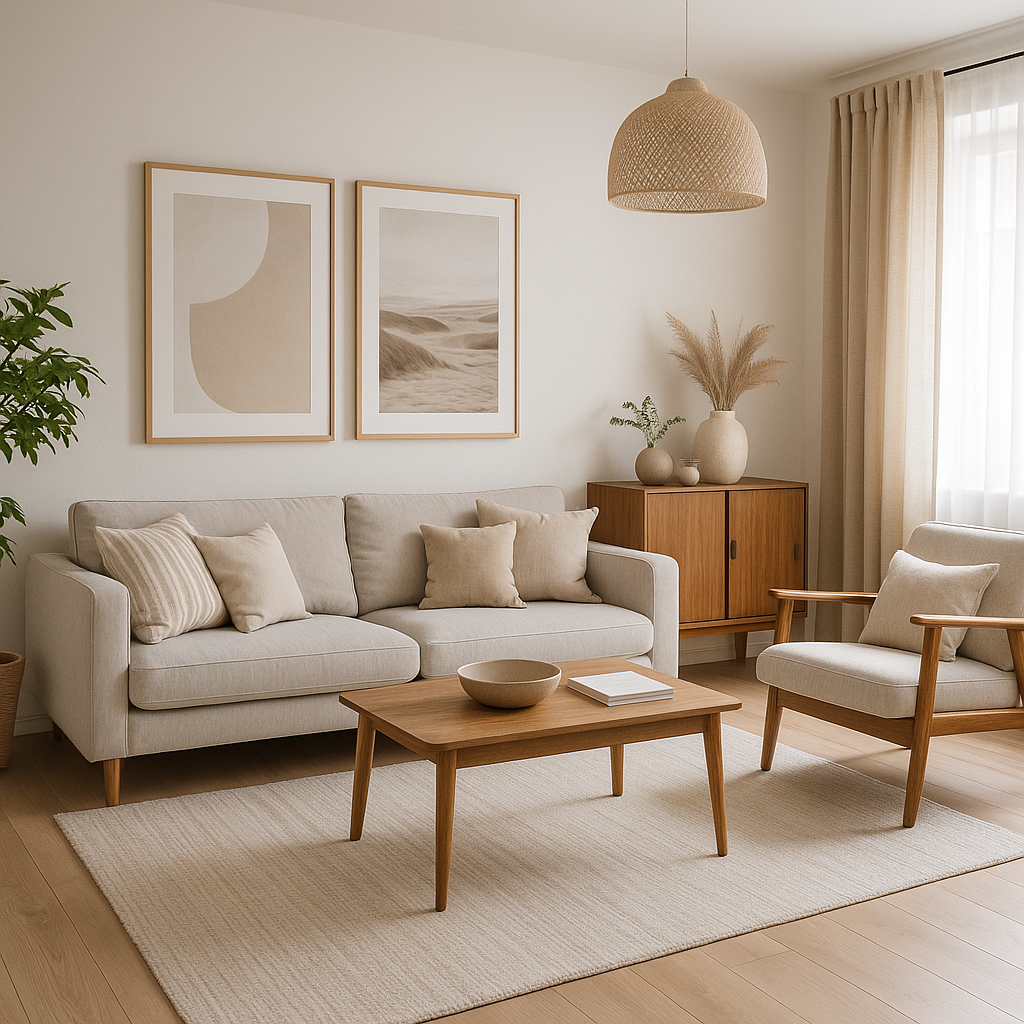
Decorating your home can feel overwhelming especially when you’re staring at blank walls, an empty room, or a Pinterest board full of ideas that don’t quite translate to real life. Whether you’re in a new home, redecorating an old one, or just trying to make sense of your style, the hardest part is often just knowing where to begin.
The good news? You don’t have to do it all at once. With a few clear steps, thoughtful planning, and some experimentation, you can start building a space you love without feeling paralyzed by indecision.
Here’s how to start decorating when you don’t know where to begin.
Begin With How You Want the Space to Feel
Instead of focusing first on paint colors or furniture pieces, ask yourself how you want the space to feel. Cozy? Airy? Energizing? Calm?
Identifying the desired mood helps guide your choices. A relaxing bedroom might lean toward soft textures, muted colors, and minimal clutter. A vibrant kitchen might involve bold hues, lively patterns, and open shelving.
Let emotion guide the aesthetic.
Choose One Room at a Time
Trying to decorate an entire home all at once is overwhelming and unnecessary. Focus on one room at a time, ideally the one you use most.
Start with:
- Your bedroom (your personal sanctuary)
- The living room (where you host and relax)
- The kitchen (if you enjoy cooking or eating in)
Concentrating on one space allows you to allocate your time, energy, and budget efficiently and gives you the satisfaction of seeing real progress.
Use What You Already Have
You may not need to buy everything new. Take inventory of what you already own.
Evaluate:
- What furniture pieces can be repurposed or refreshed?
- What art or decor could be rearranged in a more intentional way?
- Are there items hidden in storage that deserve to be showcased?
Sometimes a room comes together simply by using familiar pieces in new ways.
Gather Inspiration Strategically
Inspiration is great but too much of it can lead to analysis paralysis. Instead of scrolling endlessly, try to organize your ideas.
Tips:
- Create a mood board on Pinterest or Canva with consistent images
- Pay attention to recurring patterns in your saves (colors, layouts, materials)
- Choose 2–3 key reference rooms to guide your choices
Your inspiration doesn’t have to match perfectly it just needs to help you narrow your focus.
Identify a Color Palette
Selecting a color palette early gives you a framework to build around. It also helps unify the room and simplifies decision-making.
Start with:
- A neutral base (white, beige, gray, or soft greige)
- 1–2 accent colors (blues, greens, rust tones, etc.)
- Optional metallic or wood finishes (brass, black, oak, walnut)
Stick to this palette for walls, textiles, decor, and even storage solutions for a cohesive look.
Start With the Big Pieces First
Begin with foundational items like furniture and rugs before moving on to smaller accessories. These pieces anchor the space and influence everything else.
Order of priority:
- Sofa or bed
- Rug
- Table(s)
- Lighting
- Curtains
- Storage
Once those are in place, you can build around them with decor, plants, artwork, and soft furnishings.
Pay Attention to Scale and Proportion
Even the prettiest items won’t work if they’re the wrong size for the space. Make sure your pieces match the scale of the room.
Tips:
- Use rugs that fit under key furniture, not just floating in the middle
- Hang curtains high and wide to make windows appear larger
- Avoid oversized furniture in small rooms or too many small items in large ones
- Use a tape measure and layout apps to plan ahead
Proper scale makes everything feel more intentional and balanced.
Don’t Be Afraid of Blank Space
It’s tempting to fill every corner, wall, and shelf but breathing room is part of good design.
Leave some blank wall space. Allow surfaces to stay clear. Don’t rush to buy decor just to “finish” the room. Minimalism when used intentionally can feel calm and modern.
Let your space evolve naturally over time.
Add Layers Slowly
Once the big pieces are in, you can begin to layer in personality.
Layering ideas:
- Add throw pillows, blankets, or cushions in your accent colors
- Hang artwork or framed photography with consistent framing
- Use plants to add life and texture
- Include a few candles, books, or decorative objects
These small details make the space feel complete without cluttering it.
Create a Budget and Stick to It
Decorating doesn’t have to be expensive, but costs can add up quickly. Create a realistic budget based on your priorities and break it down by item or area.
Try:
- Thrift stores or online marketplaces for vintage pieces
- DIY decor or furniture flips for a custom touch
- High-low combinations: splurge on a statement item, save on accessories
Be intentional with spending and remember that quality often outweighs quantity.
Trust the Process and Evolve
Your space doesn’t need to be perfect right away. In fact, the best homes are those that evolve with their owners.
As your style grows, your home should reflect that. Start with what feels right, adjust as you go, and don’t stress if it takes weeks or months to get it where you want.
Decorating is a creative journey, not a one-day task.
Final Thoughts
When you’re not sure where to start, decorating your home can feel like a huge undertaking but it doesn’t have to be. By beginning with how you want to feel, choosing one space at a time, and building around your lifestyle, you can slowly shape a home that’s not just beautiful but deeply personal and satisfying to live in.
Start simple. Make intentional choices. And remember: every great space started with a blank canvas just like yours.