
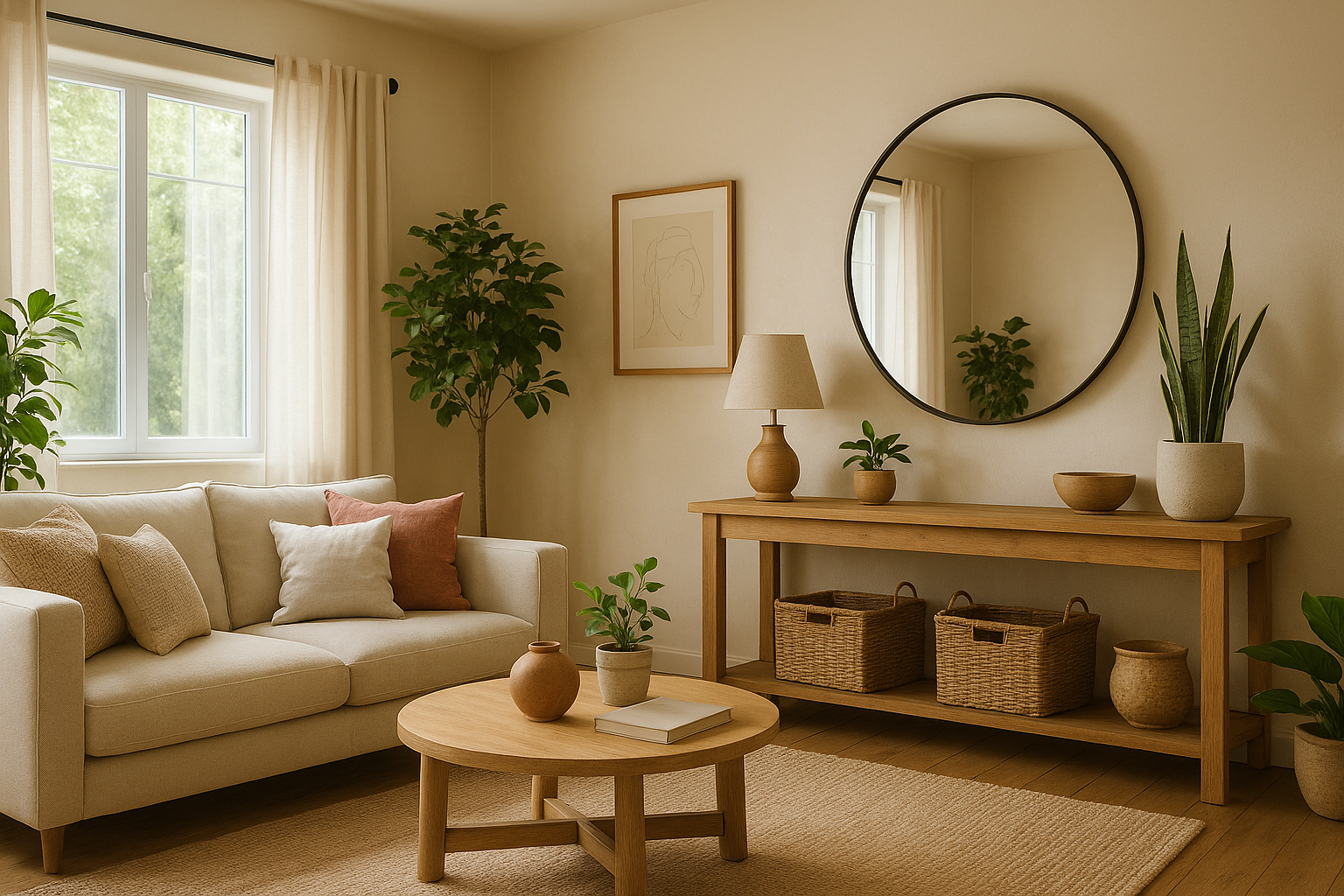
Feng Shui is an ancient Chinese practice that focuses on arranging your environment to promote harmony, positive energy (chi), and overall well-being. While it might seem mystical at first, many of its principles are practical and easy to apply even in a modern home.
If you’re looking to bring more balance, clarity, and peace into your space, this guide will walk you through the essential basics of Feng Shui and how to use them in your home decor.
Understand the Bagua Map
The Bagua Map is one of the core tools in Feng Shui. It divides a space into nine zones, each representing a different area of life like health, relationships, career, and creativity.
The nine Bagua areas:
- Career
- Knowledge & Wisdom
- Family
- Wealth
- Fame & Reputation
- Love & Relationships
- Creativity & Children
- Helpful People & Travel
- Health (center)
To use the map, align the bottom row (Career, Knowledge, Helpful People) with the wall that contains your front door. Then, map the rest of your space accordingly. Even if your layout isn’t perfect, you can still apply these areas in specific rooms or corners.
Clear the Clutter
In Feng Shui, clutter blocks the flow of chi. It creates stagnant energy and contributes to stress or anxiety. A clutter-free space allows energy to move freely and supports mental clarity.
Tips:
- Start with entryways, closets, and under beds
- Remove or donate items you no longer use or love
- Avoid piling things on surfaces especially in Bagua zones you want to improve
- Keep pathways open and tidy
Clearing clutter is the foundation for a fresh, energetic home.
Focus on the Entryway
The front door, or “mouth of chi,” is where energy enters your home. Creating a welcoming, organized entrance sets the tone for everything inside.
Entryway suggestions:
- Keep it clean, open, and well-lit
- Add a mat, artwork, or mirror (not directly facing the door)
- Use plants or a small table to invite abundance
- Avoid obstacles like shoes, boxes, or clutter near the door
A positive first impression boosts energy flow from the very start.
Balance the Five Elements
Feng Shui uses five natural elements wood, fire, earth, metal, and water to create balance and harmony.
How to incorporate them:
- Wood: Plants, wooden furniture, green/brown tones
- Fire: Candles, lights, red/orange tones, triangular shapes
- Earth: Pottery, crystals, square shapes, yellow/beige tones
- Metal: Metal frames, decor, round shapes, white/gray tones
- Water: Mirrors, fountains, blues/black tones, flowing lines
Each room can benefit from a blend of all five elements, adjusted to your needs or goals.
Use Mirrors Wisely
Mirrors in Feng Shui are considered water elements they reflect energy and light. When used intentionally, they can enhance abundance and expand space.
Mirror placement tips:
- Place mirrors to reflect beautiful views or natural light
- Avoid placing mirrors directly opposite the bed or front door
- Don’t reflect clutter or sharp edges
- Use rounded or oval mirrors for softer energy
Well-placed mirrors help amplify good energy and correct imbalances.
Mind Bedroom Feng Shui
The bedroom is a sanctuary for rest, love, and rejuvenation making it one of the most important spaces in Feng Shui.
Guidelines:
- Position the bed so it has a solid wall behind it and a clear view of the door (but not in direct line)
- Avoid storing things under the bed
- Use matching nightstands and balanced decor on each side
- Limit electronics and mirrors facing the bed
- Choose soft, calming colors (earth tones, blush, light blues)
A balanced bedroom supports better sleep and emotional health.
Add Plants to Boost Energy
Plants represent the wood element and bring growth, life, and freshness into your home.
Feng Shui-friendly plants:
- Lucky bamboo
- Peace lily
- Money tree
- Pothos
- Snake plant (good for low light)
Place plants in areas that need a boost in health, wealth, or creativity. Avoid placing them in bedrooms unless carefully chosen (small, low-maintenance, and well-kept).
Use Lighting to Activate Energy
Light is one of the fastest ways to shift energy in a space. Dark, poorly lit areas can feel stagnant or uninspired.
Tips:
- Use soft, warm lighting in bedrooms and living spaces
- Add floor or table lamps to shadowy corners
- Open curtains during the day to let in natural light
- Use candles to energize and symbolize the fire element
Lighting is energy and more light often equals more vitality.
Set Intentions With Decor
Feng Shui isn’t just about placement it’s also about purpose. Every object in your home should serve you, inspire you, or bring joy.
Intentional design ideas:
- Display meaningful art or photos in the Love & Relationships or Family areas
- Place symbols of abundance (like a bowl of fruit or a prosperity frog) in Wealth zones
- Use vision boards, affirmations, or inspiration in the Knowledge & Wisdom area
- Avoid broken items, sad imagery, or sharp edges in key zones
Your decor should support the life you’re creating not the one you’re trying to move on from.
Final Thoughts
Feng Shui is less about strict rules and more about creating harmony between you and your space. By incorporating its basic principles like clearing clutter, using the five elements, and aligning your layout with intention you can create a home that feels balanced, calm, and energetically aligned.
Start small, focus on one room or area at a time, and listen to how your space makes you feel. With awareness and thoughtful adjustments, you can transform your home into a powerful source of positive energy.