
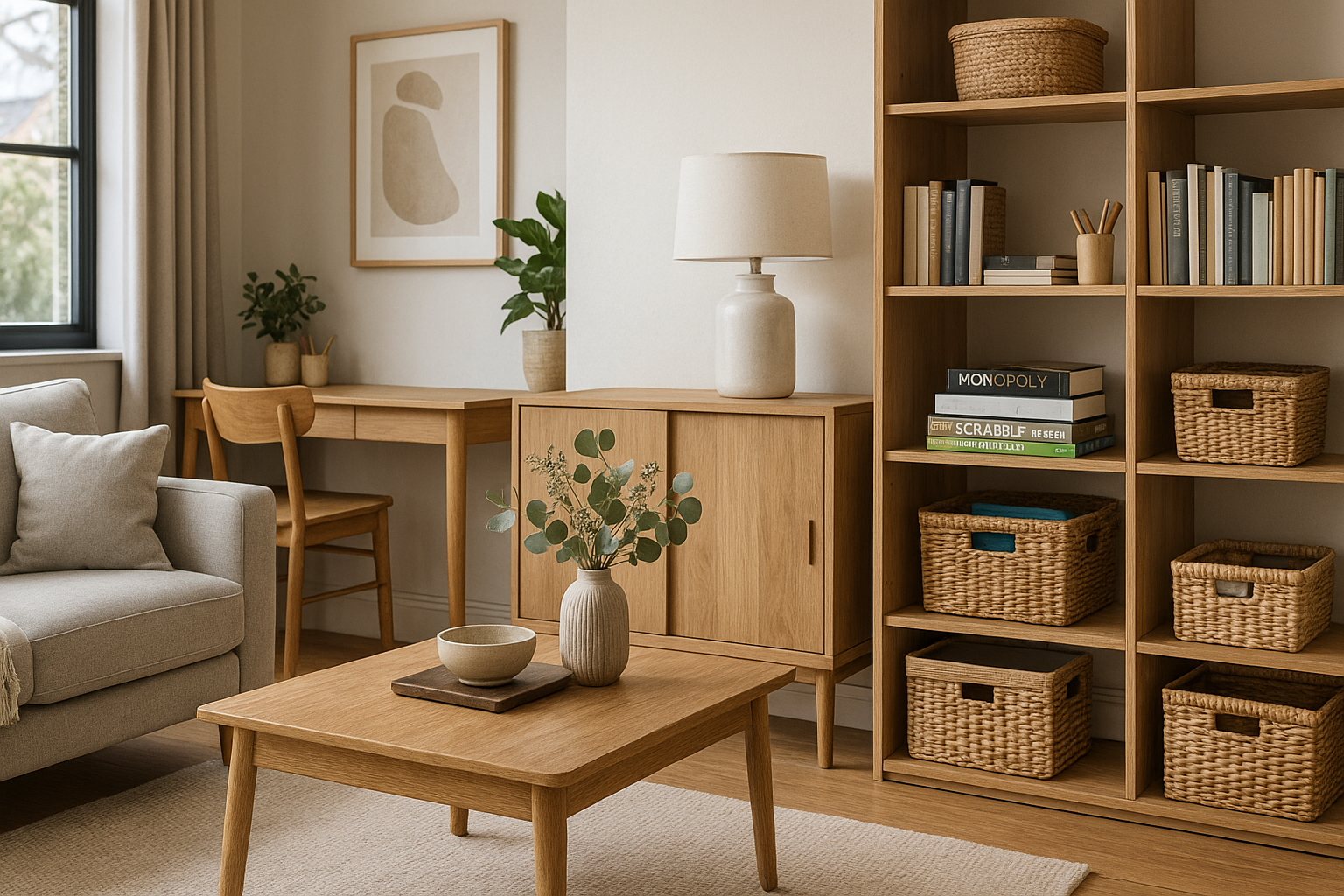
Designing a family home presents a unique challenge: you need a space that’s practical enough for everyday life but stylish enough to feel beautiful and personal. The good news? Function and style don’t have to compete they can complement each other when approached with intention.
In this article, we’ll show you how to create a family-friendly home that meets the demands of busy living while reflecting your design sensibilities. With smart choices, versatile furniture, and the right mindset, you can have a home that feels both livable and lovely.
Prioritize Practical Layouts
A stylish space that doesn’t work for your lifestyle won’t last. Begin by arranging your rooms with flow, accessibility, and purpose in mind.
Tips:
- Create clear walkways for easy movement
- Arrange furniture so that kids can move freely without bumping into sharp corners
- Keep everyday essentials within reach (and fragile items out of reach)
- Use open layouts for living, dining, and kitchen spaces so the family can interact easily
Design around how your family uses the space form always follows function.
Choose Durable, Low-Maintenance Materials
To maintain a stylish look long-term, invest in materials that can withstand real-life messes, spills, and wear.
Family-friendly material ideas:
- Sofas: Performance fabric, leather, or slipcovers you can wash
- Floors: Hardwood with a matte finish, vinyl planks, or large rugs with washable covers
- Walls: Scrubbable paint finishes (like eggshell or satin)
- Tables: Solid wood with a sealed surface or laminate for easy cleaning
Durability doesn’t mean sacrificing style. Many high-performance materials now come in modern, elegant designs.
Incorporate Multi-Functional Furniture
In a family home, flexibility is key. Look for pieces that do more than one job or can adapt to your needs.
Smart furniture choices:
- Storage ottomans for toys, blankets, or books
- Extendable dining tables for hosting or homework
- Benches with hidden storage for mudrooms or entryways
- Sleeper sofas or daybeds in guest areas
- Modular sectionals that can change configuration
These functional pieces help reduce clutter while maximizing usability.
Embrace Hidden Storage
A clutter-free home feels more stylish and calm. That’s where hidden or smart storage comes in.
Storage strategies:
- Built-in shelves or cabinetry that blend with the wall
- Storage baskets in decorative materials like seagrass or felt
- Furniture with storage: coffee tables, beds, benches
- Vertical solutions like hooks, over-the-door racks, or pegboards
- Labeled bins for toys, school supplies, or seasonal gear
Designate a spot for everything to avoid chaotic surfaces and overflowing drawers.
Make Kid Zones Beautiful and Integrated
Children’s areas don’t have to be brightly colored plastic zones. You can integrate kid-friendly spaces into your home without compromising style.
Tips:
- Choose toys and books in neutral tones or keep them in closed baskets
- Use artwork created by your kids in simple frames for a personal touch
- Incorporate play tents, floor cushions, or reading nooks in living spaces
- Select furniture that works for both kids and adults (like small-scale armchairs or poufs)
- Let their items live alongside adult decor blending, not clashing
Kids’ needs can be met within the overall aesthetic of your home.
Add Softness and Comfort
A stylish family home should also be warm and inviting. Softness matters physically and visually.
Comfort ideas:
- Use throw blankets and layered pillows in washable fabrics
- Add area rugs that define play areas and protect floors
- Use blackout curtains or Roman shades for bedrooms and nurseries
- Include cozy textures like knits, boucle, or brushed cotton
- Keep seating plush but structured great for both lounging and entertaining
Comfort doesn’t mean casual. With careful styling, you can create a relaxed yet refined environment.
Use Neutral and Versatile Color Schemes
Neutral colors offer flexibility and longevity. They’re timeless, easy to coordinate, and won’t clash with the chaos of family life.
Color tips:
- Start with whites, grays, or beiges as your base
- Add interest through layered textures, not loud patterns
- Use accent colors in toys, textiles, or seasonal decor
- Choose a consistent palette that flows from room to room
Neutral doesn’t have to mean boring mix materials and finishes to keep it dynamic.
Showcase Personality with Decor
Your home should tell your story. Even in a functional space, there’s room for character and personal style.
Decor ideas:
- Display family photos in uniform frames or a gallery wall
- Choose art that reflects your values or travels
- Decorate shelves with meaningful objects or heirlooms
- Use books as both decor and inspiration
- Let each room include at least one personal touch something handmade, gifted, or collected
This personal layer makes your home feel truly yours, not just functional.
Involve the Whole Family in Design
When everyone contributes, the home becomes more meaningful and harmonious. Involving kids and partners in decisions where appropriate also helps foster respect for the space.
Inclusion tips:
- Let children pick artwork or colors within a curated selection
- Ask family members what they need most from each shared space
- Involve kids in organizing or styling their own areas
- Create rituals or traditions around seasonal decor changes
A home that reflects everyone’s input feels more cohesive and inclusive.
Final Thoughts
A stylish family home isn’t about perfection it’s about balance. By combining durable materials, functional layouts, smart storage, and thoughtful styling, you can create a space that supports your family’s lifestyle and still feels beautiful.
Function and style are not opposites. When they work together, they form a home that looks good, works hard, and grows with your family over time.