
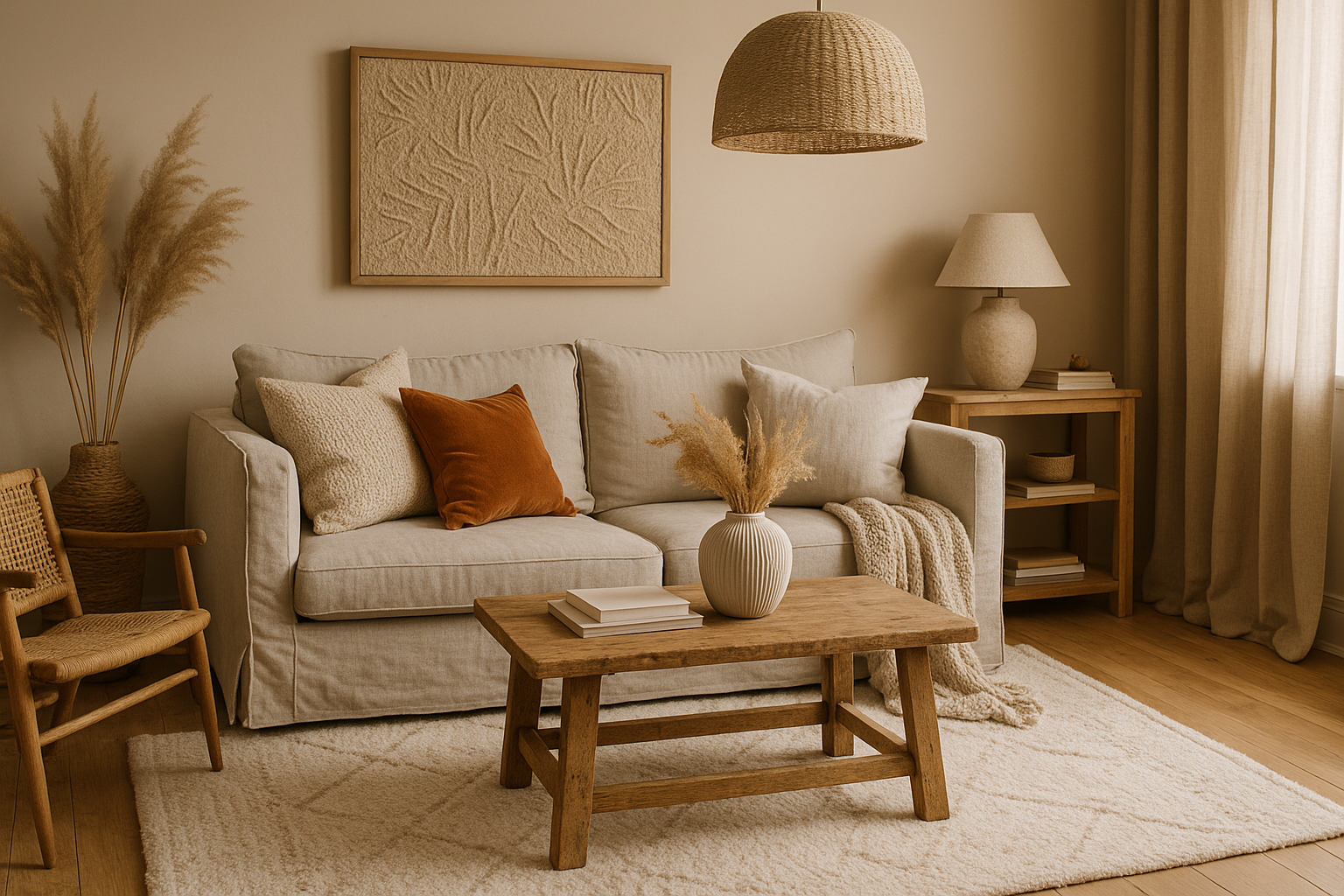
Texture is one of the most powerful and underrated elements in interior design. While color and layout often get the spotlight, it’s texture that brings a space to life. A room that’s visually flat can instantly feel rich, inviting, and layered when texture is added often without changing a single color.
In this article, we’ll explore how to use texture strategically to create depth, contrast, and comfort in your decor, no matter your style.
What Is Texture in Interior Design?
Texture refers to the surface quality of materials how things feel or appear to feel. It can be tactile (something you physically touch) or visual (something that gives the illusion of texture through pattern, depth, or material).
There are two main types:
- Rough/Coarse texture: Think raw wood, brick, stone, or woven materials. These feel more natural and grounded.
- Smooth/Soft texture: Think glass, metal, polished wood, silk, or velvet. These feel sleek, refined, and modern.
Combining both creates balance and makes a space feel dynamic and complete.
Why Texture Matters
Even in a monochromatic room, different textures keep the eye engaged. Texture:
- Adds depth and dimension
- Creates contrast and visual balance
- Enhances coziness or elegance
- Helps define a design style (e.g., rustic vs. modern)
- Makes a space feel more layered and intentional
If your space feels unfinished or flat, adding texture is often the missing piece.
Layer Different Materials
One of the easiest ways to add texture is to mix materials within the same space. This approach adds instant variety and interest.
Examples:
- Pair a linen sofa with a leather chair and a jute rug
- Combine a glass coffee table with a wood console and ceramic accessories
- Use a metal floor lamp next to a fabric-draped armchair
- Style a wooden dining table with woven placemats and velvet chairs
Aim for a mix of at least three different materials per room.
Add Textiles for Softness
Textiles are essential for adding warmth and softness. They also help balance harder surfaces like wood or metal.
Textile ideas:
- Throw pillows in various fabrics (cotton, velvet, wool, linen)
- Chunky knit blankets or fringed throws
- Layered rugs like a jute base with a patterned flatweave on top
- Textured curtains (linen, sheer, velvet, or blackout)
- Upholstered furniture or fabric headboards
Play with both the look and feel—texture should be both seen and felt.
Use Natural Elements
Natural textures create an organic, calming atmosphere. They’re perfect for softening modern spaces or complementing rustic decor.
Add nature-inspired textures through:
- Woven baskets and rattan accents
- Raw-edge wood or reclaimed wood furniture
- Stone or terracotta planters
- Wool or cotton textiles
- Dried flowers, pampas grass, or driftwood decor
These elements add warmth, especially when paired with neutral palettes.
Layer Wall and Floor Finishes
Walls and floors are large surfaces with high visual impact so they’re perfect places to add texture.
Wall ideas:
- Shiplap, beadboard, or wood paneling
- Textured paint or plaster finishes
- Wallpaper with fabric or grasscloth texture
- Gallery walls with a mix of frame materials and finishes
Floor ideas:
- Natural fiber rugs like sisal, jute, or wool
- Layer rugs in different materials or patterns
- Add a sheepskin over hardwood or a bench seat
Even subtle changes here can dramatically shift the feel of the room.
Choose Statement Pieces with Texture
Sometimes, one high-impact item is enough to ground the whole space. A textured statement piece can be a focal point or conversation starter.
Examples:
- A velvet sofa or tufted armchair
- A carved wood coffee table
- A stone or concrete countertop
- A hammered metal pendant light
- A leather ottoman or pouf
Let the texture do the talking pair these with simpler items for contrast.
Don’t Forget Visual Texture
You don’t always need to physically touch texture to feel its impact. Visual texture adds richness through pattern, shading, and form.
Ways to use visual texture:
- Artwork with brushstrokes or layered media
- Printed textiles with subtle raised or woven designs
- Sculptural lighting or furniture with curves and angles
- Layered tiles in backsplashes or fireplaces
- Basketweave or geometric patterns in flooring
This type of texture adds depth without adding physical bulk.
Balance Is Key
Like anything in design, balance matters. Too many rough textures can make a room feel heavy or rustic. Too many smooth surfaces can feel cold or sterile. The goal is contrast and harmony.
Tips for balance:
- Pair smooth and rough in every room
- Use texture to contrast your color palette (e.g., a rough rug with a sleek black sofa)
- Choose a hero texture and support it with others in smaller doses
- Use texture to create zones within open spaces (like a soft rug in a reading nook)
Think of texture as a tool for storytelling—it gives your space personality and emotion.
Final Thoughts
Texture is the silent storyteller in every room. While it may not be the first thing you notice, it’s often what makes a space feel inviting, lived-in, and complete.
By thoughtfully layering materials, adding textiles, and playing with rough and smooth elements, you can add richness and depth to any style minimalist, bohemian, modern, or traditional.
The next time your space feels “off,” look beyond color and layout. Ask yourself: How does it feel? That’s texture talking.