
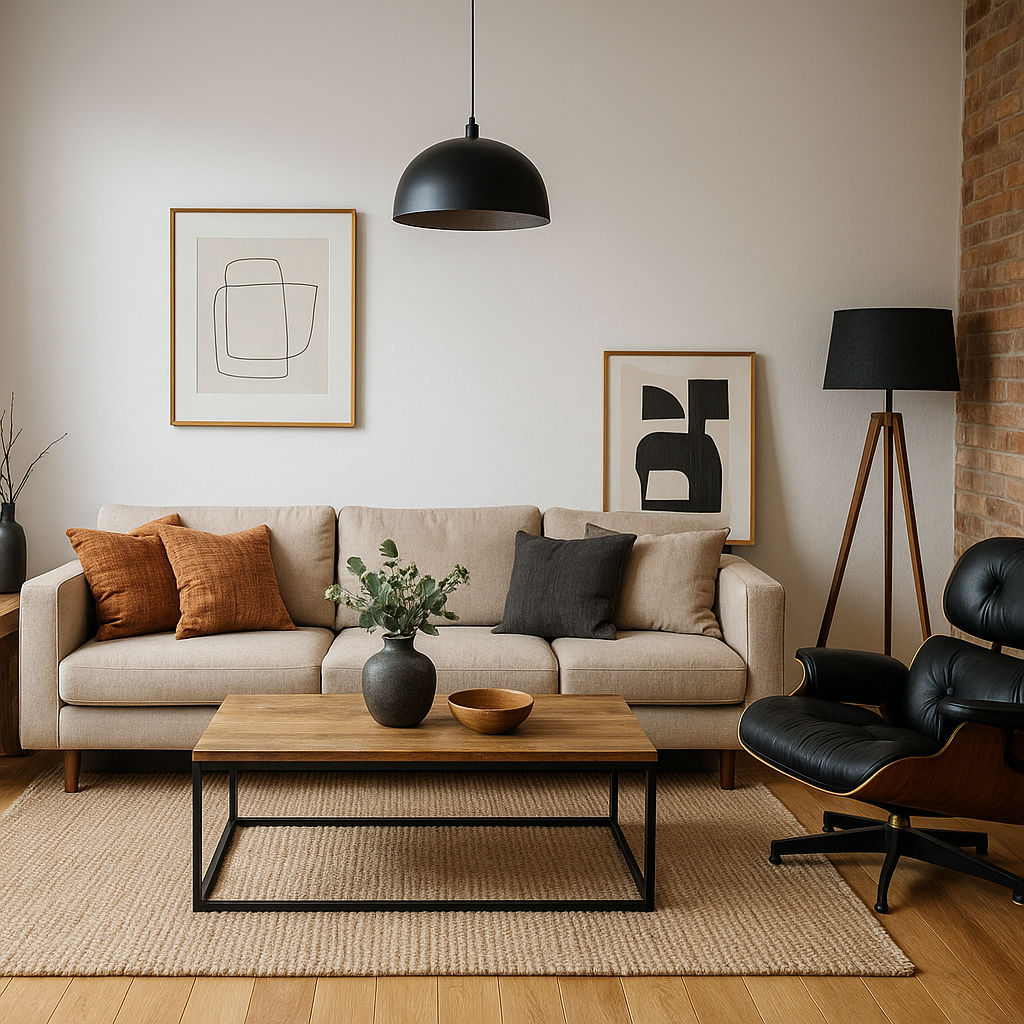
Combining modern and rustic styles in home decor might sound like a design contradiction—but when done right, the contrast between sleek minimalism and earthy warmth creates a truly harmonious and visually striking space. This fusion of styles balances clean lines and refined elements with raw textures and natural materials, bringing depth, personality, and comfort to your home.
Here’s how to successfully blend modern and rustic design elements in a cohesive and stylish way.
Understand the Core Characteristics
Before mixing styles, it’s essential to understand the basic elements of both.
Modern style typically features:
- Clean lines and geometric shapes
- Neutral color palettes
- Sleek, minimal furnishings
- Polished surfaces like glass, chrome, or lacquer
Rustic style, on the other hand, includes:
- Natural wood, stone, and raw materials
- Warm, earthy tones
- Handmade or vintage pieces
- Cozy, lived-in textures
By blending the best of both, you get a home that’s both sophisticated and inviting.
Start with a Neutral Foundation
Both modern and rustic styles work well with neutral backgrounds. Use whites, greys, soft taupes, or earthy beiges as your base wall and flooring colors. A clean and calm palette creates the perfect blank canvas for mixing design elements from each style.
From there, you can layer contrasting textures and finishes to bring the space to life.
Mix Materials Intentionally
One of the key ways to balance modern and rustic decor is through materials. For example:
- Pair a reclaimed wood dining table with sleek, black metal chairs
- Set a stone or concrete countertop against natural wood cabinetry
- Add a leather armchair next to a glass coffee table
By thoughtfully pairing materials that are rough and aged with those that are smooth and refined, you’ll create visual contrast and balance.
Let Furniture Do the Talking
Choose one style to lead with your larger pieces, and incorporate the other through accents. For example:
- A modern sofa with clean lines can be complemented by a rustic wood coffee table
- A vintage, farmhouse-style dining table can be balanced with minimalist, Scandinavian-style dining chairs
Mixing styles at the furniture level creates dynamic interest and keeps the space from feeling one-note.
Play with Texture
Rustic decor relies heavily on texture—think raw wood, jute, wool, brick, or hammered metals. These provide a tactile quality that contrasts beautifully with the smooth finishes of modern decor like glass, polished stone, or lacquered surfaces.
Try layering rugs, throws, and cushions in different textures. For example, drape a chunky knit blanket over a modern armchair, or use linen curtains in a room with minimalist furniture.
Keep the Color Palette Cohesive
To avoid a clash of styles, stick with a unified color scheme. Earthy neutrals, warm greys, olive greens, terracotta, and matte black often work well in both rustic and modern aesthetics.
Using a limited palette allows the contrasting materials and shapes to shine without competing for attention.
Embrace Statement Lighting
Lighting is a great way to introduce a bold, modern touch to a rustic space—or vice versa. Consider:
- An industrial pendant lamp hanging over a wooden kitchen island
- A sleek floor lamp in a room with exposed beams
- A minimalist chandelier in a dining area with vintage farmhouse decor
Lighting often acts as a functional sculpture and helps bridge the gap between styles.
Incorporate Natural Elements
One of the best ways to bring warmth to a modern space—or anchor a rustic room—is by adding plants and greenery. Whether it’s a large potted tree, a row of succulents, or a trailing vine on open shelving, plants soften hard lines and add life to the decor.
You can also use natural stone, woven baskets, dried flowers, or driftwood to enhance the rustic vibe without overwhelming the space.
Use Art to Tie It Together
Artwork is another effective way to balance the rustic-modern aesthetic. Abstract pieces, black-and-white photography, or minimalist line art pair well with wood textures and vintage furnishings.
Try mixing framed modern prints with antique-style frames, or leaning oversized canvases against exposed brick or reclaimed wood walls.
Focus on Function and Comfort
Modern design often prioritizes form and minimalism, while rustic style emphasizes comfort and function. The goal in blending them is to keep the space beautiful yet livable.
Make sure your seating is comfortable, your layout is practical, and your rooms feel welcoming. Don’t sacrifice function for aesthetics—let the space reflect both your needs and your style.
Don’t Overcrowd the Space
Rustic decor sometimes leans toward maximalism, with plenty of objects and textures. Modern decor, in contrast, values open space and clean lines. To balance the two:
- Leave room between furniture
- Use negative space to let design elements breathe
- Edit accessories and avoid overcrowding surfaces
This creates an environment that’s warm but uncluttered.
Find Balance, Not Symmetry
Balance doesn’t mean everything needs to match or be perfectly symmetrical. In fact, asymmetry can create energy and movement in a room.
Place a heavy rustic piece on one side of the room, and offset it with a group of smaller modern objects on the other. Play with proportion until the space feels visually even, even if it’s not perfectly mirrored.
Final Touches: Let Personality Shine
Blending modern and rustic styles allows for greater self-expression than sticking to just one aesthetic. You get the opportunity to tell a story—combining old and new, soft and hard, classic and contemporary.
Add in personal items, travel finds, handcrafted pieces, or heirlooms. These final touches are what give a space soul, transforming it from a showroom into a home.
Timeless Contrast, Lasting Style
The contrast between modern and rustic decor offers a timeless appeal. It’s a style that evolves with you—grounded in history, but open to innovation. By layering materials, respecting both aesthetics, and leading with comfort, you can create a home that’s warm, stylish, and unmistakably yours.